Tracing Jackpot Mechanics and Their Ties to Secure Payment Flows Under Evolving French Digital Gaming Rules
Willa Lang · Aug 26, 2026
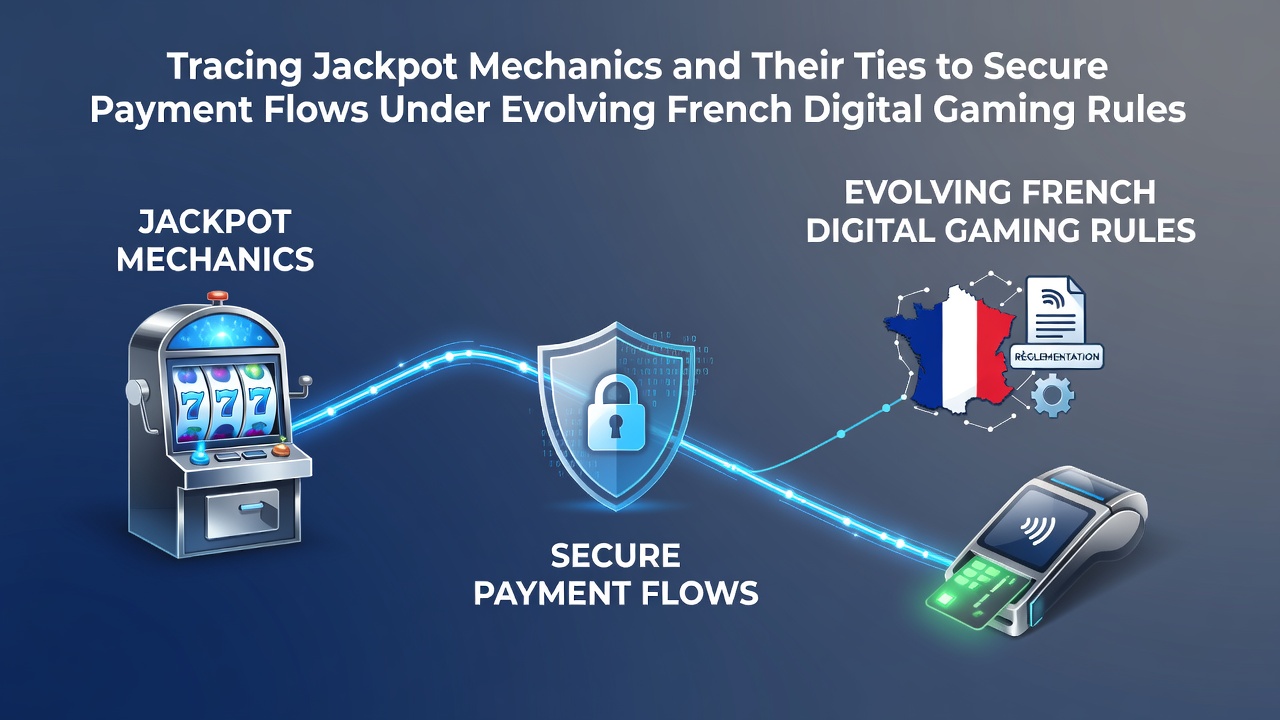
Tracing Jackpot Mechanics and Their Ties to Secure Payment Flows Under Evolving French Digital Gaming Rules
Jackpot Structures in Regulated French Digital Gaming
French operators manage jackpot systems through progressive contribution models where each bet adds a fixed percentage to a shared pool, and these mechanics operate under strict oversight from the Autorité Nationale des Jeux. Data from industry reports shows that progressive jackpots in France rely on certified random number generators to determine wins, while contribution rates typically range between 1% and 5% of wagers depending on game type and operator license conditions.
Researchers at European gaming analysis centers have documented how jackpot pools accumulate across multiple platforms when operators participate in shared networks, and this setup requires real-time synchronization to prevent discrepancies in prize amounts. Figures from French gaming compliance audits indicate that such networks processed over €2.3 billion in cumulative bets during the first half of 2026, with August seeing heightened activity as seasonal promotions triggered additional contributions.
Payment Flow Integration and Security Protocols
Secure payment flows connect directly to jackpot mechanics because every contribution and payout must pass through encrypted channels that comply with French digital transaction standards. Operators route funds through certified payment service providers that verify player identity and transaction legitimacy before any amount reaches the jackpot pool or returns as a win, and this process uses tokenization to mask sensitive banking details during transfers.
Those who study transaction patterns note that French rules mandate separation between player deposits and jackpot reserves, which creates an audit trail that regulators can trace from initial wager through final disbursement. Evidence from compliance reviews reveals that systems must log each step with timestamps and cryptographic hashes, while August 2026 updates to reporting requirements added mandatory quarterly reviews of these logs to detect anomalies faster.
Regulatory Evolution and Compliance Requirements
French digital gaming rules have shifted since the 2021 reforms that expanded online licensing, and recent amendments focus on tightening jackpot transparency alongside payment security. The Autorité Nationale des Jeux now requires operators to submit detailed jackpot algorithms for pre-approval, and these submissions must demonstrate how contributions flow into secure accounts that remain isolated from operational funds.
Analysts tracking regulatory changes observe that new guidelines effective in mid-2026 emphasize cross-border payment verification when French players participate in international jackpot networks, which forces operators to align with both domestic encryption standards and broader European payment directives. One compliance study from a Canadian research institute highlighted similar layered verification approaches in other jurisdictions, showing reduced fraud incidents when jackpot and payment systems share unified monitoring dashboards.
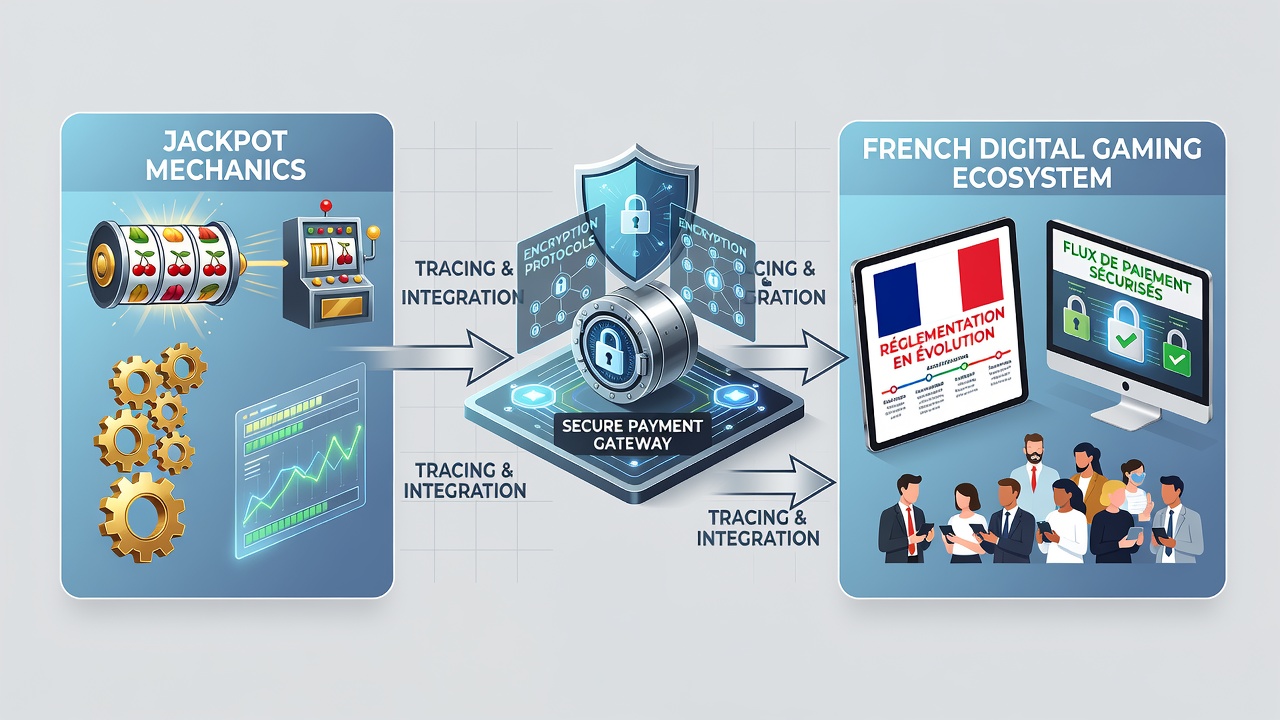
Tracing Mechanisms Through Audited Systems
Tracing begins at the point of bet placement where software tags each wager with a unique identifier that follows the contribution percentage into the jackpot ledger, and operators must maintain these records for at least five years under current French statutes. Payment processors then validate the transaction using multi-factor authentication before releasing any funds, which prevents unauthorized access to accumulating pools.
Data indicates that August 2026 saw French regulators conduct surprise inspections of several major platforms to verify that jackpot payout triggers matched the certified algorithms, and no major discrepancies emerged from those checks. Industry organizations such as the European Gaming and Betting Association have published guidelines that recommend embedding blockchain elements for immutable audit trails, though French operators currently favor centralized databases with independent third-party verification instead.
Challenges in Maintaining Flow Integrity
Operators face ongoing demands to update security protocols as cyber threats evolve, and French rules require immediate reporting of any suspected breach that could affect jackpot integrity or payment routing. Research from Australian gaming technology centers shows that platforms using segmented networks for jackpot contributions experience fewer routing errors because payment flows remain isolated from promotional bonus systems.
Those monitoring the sector note that evolving rules also address player protection by capping jackpot contributions from bonus funds, which ensures that only verified cash deposits feed into major prize pools. Compliance records from 2026 demonstrate that operators who implemented automated reconciliation tools reduced manual audit times by nearly 40%, allowing faster response to regulatory queries.
Conclusion
Jackpot mechanics in French digital gaming remain tightly linked to secure payment infrastructure through mandatory logging, encryption standards, and real-time verification processes. Regulatory updates continue to refine these connections, with emphasis on transparent contribution tracking and isolated fund management that supports both player trust and operational compliance. Observers tracking developments into late 2026 expect further integration of advanced monitoring tools as French authorities maintain focus on system integrity across all licensed platforms.