Payment Flow Adjustments in Response to French Gambling Laws Within Mobile Gaming Environments
Petra Lang · Sep 1, 2026
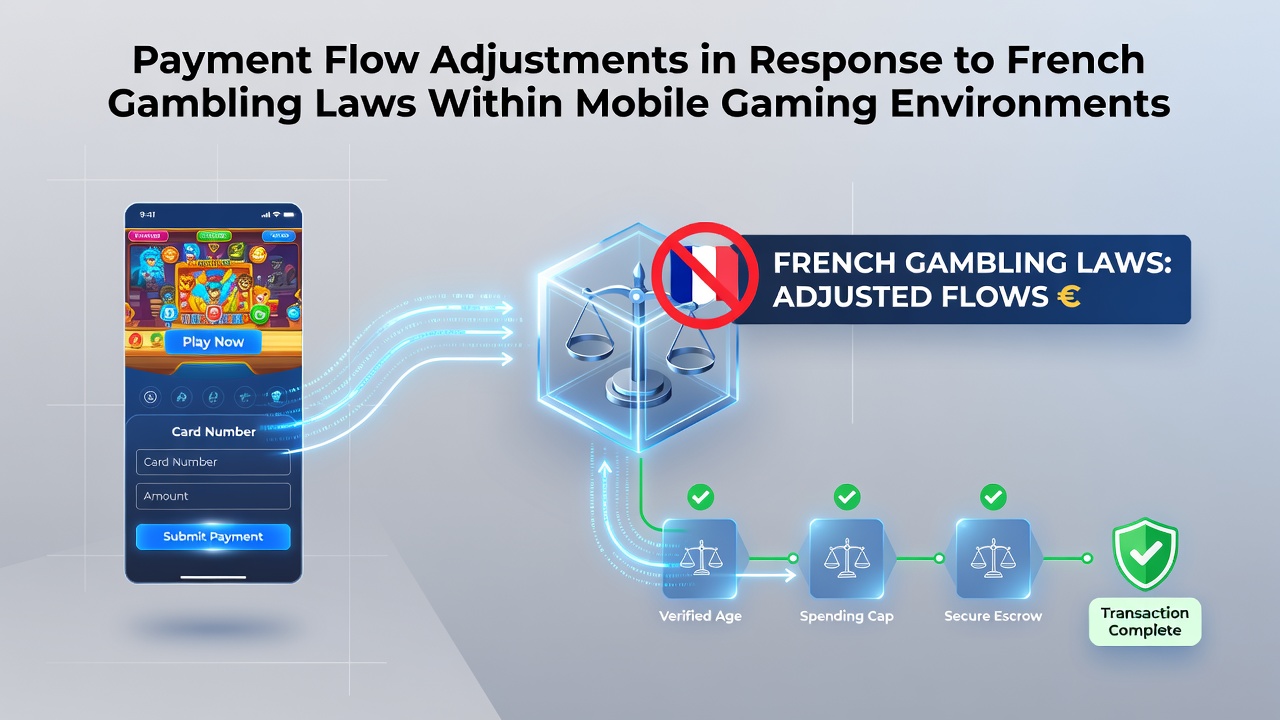
Payment Flow Adjustments in Response to French Gambling Laws Within Mobile Gaming Environments
Payment mechanisms in mobile gaming have shifted substantially to meet the standards set by French gambling legislation, where operators must integrate verification processes that prioritize security and compliance across digital platforms. These adjustments address requirements for transaction monitoring, user authentication, and restrictions on certain funding sources that have been in place since the modernization of the regulatory environment.
Regulatory Framework Driving Changes
French laws administered through the Autorité Nationale des Jeux establish clear parameters for how payments flow in licensed mobile environments, requiring operators to implement real-time checks that align with broader European directives on financial services and consumer safeguards. Data from industry reports indicate that these rules have prompted widespread adoption of automated systems capable of flagging irregularities while maintaining seamless user experiences on smartphones and tablets. Observers note that the emphasis on licensed operators has led to reduced reliance on unregulated payment channels, with platforms now favoring methods that support traceability.
Key Adjustments in Mobile Payment Systems
Operators have introduced layered verification protocols that combine device-based authentication with centralized databases, allowing for quicker approvals during deposits and withdrawals in mobile sessions. Research indicates that integration of electronic identification tools has become standard, enabling users to complete transactions without repeated manual inputs yet still satisfying the demands for proof of identity and age. Payment flows now often route through intermediaries that apply filters based on transaction size and frequency, a practice that emerged to comply with anti-money laundering provisions embedded in the national framework.
What's notable is the transition away from certain e-wallet options that previously operated with minimal oversight, replaced instead by bank-linked transfers and prepaid solutions vetted for regulatory alignment. Figures from market analyses show increased usage of these approved channels, particularly in environments where gameplay occurs across multiple devices. And in cases where cross-border elements arise, systems now incorporate geolocation data to enforce territorial restrictions inherent to French licensing.
Impact on User Transactions and Platform Operations
Mobile gaming environments have seen platforms redesign checkout sequences to embed compliance steps directly into the flow, reducing drop-off rates during funding processes while ensuring every transaction meets legal thresholds. According to studies on digital gaming patterns, these modifications have streamlined reconciliation for operators, who must report aggregated data to oversight bodies on a regular basis. Those who've examined the sector point to the role of application programming interfaces that connect gaming apps with financial institutions, creating direct pathways that bypass less transparent methods.
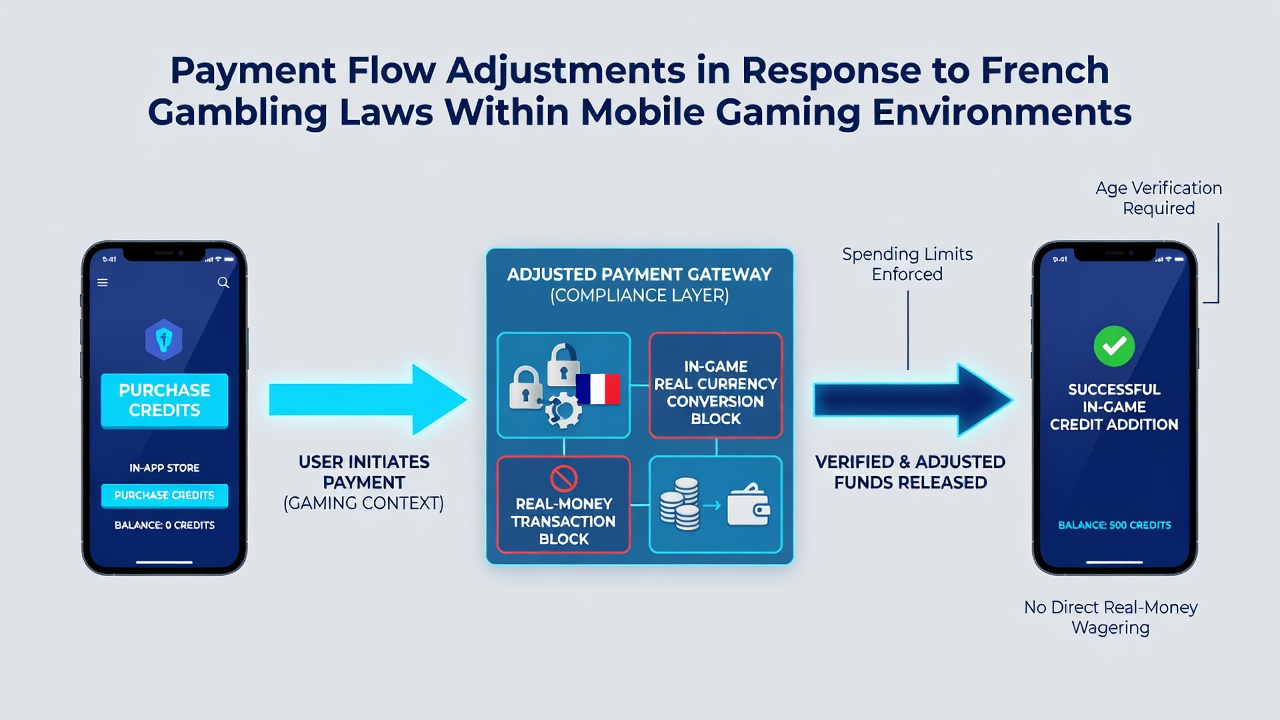
September 2026 marks the point at which additional reporting obligations are scheduled to activate, compelling platforms to enhance their logging capabilities for all mobile-initiated payments. This development builds on existing rules and requires further technical upgrades to handle detailed audit trails without interrupting gameplay continuity. Experts have observed that operators investing in modular payment architectures find it easier to incorporate these upcoming changes, whereas legacy systems face more extensive retrofits.
Technical Implementations Across Platforms
Developers have incorporated encryption standards and tokenization techniques that protect sensitive data during mobile transfers, practices that satisfy both French mandates and international benchmarks for financial security. One case involved a major provider that restructured its backend to support instant verification against national registries, resulting in faster processing times for compliant users. Industry organizations such as the European Gaming and Betting Association have documented similar shifts across multiple jurisdictions, highlighting how French requirements serve as a model for others seeking to balance accessibility with control.
Payment service providers operating in this space now offer specialized modules tailored for mobile integration, featuring dashboards that display compliance metrics in real time. Data shows that adoption of these tools correlates with higher retention among users who value transparent and secure funding options. Yet the ball remains in the court of smaller operators, who must weigh the costs of upgrades against potential market access.
Broader Implications for the Sector
Academic research from institutions like the University of Nevada's gaming studies program has explored how regulatory alignment in one region influences global standards, with French mobile payment adaptations cited as examples of effective policy execution. These findings reveal patterns where platforms that prioritize compliance early gain advantages in user trust and operational stability. Links to official resources such as the European Commission justice portal provide further context on overlapping directives that shape these payment adjustments.
Additional sources including reports from the Canadian Gaming Association underscore the value of harmonized approaches that reduce friction for international users while respecting local laws. Platforms continue to refine their systems in anticipation of future refinements, ensuring that mobile environments remain viable under evolving French oversight.
Conclusion
The adjustments to payment flows in response to French gambling laws represent a coordinated effort across technology, regulation, and operations within mobile gaming. Evidence from multiple analyses confirms that these changes enhance security and accountability without eliminating the convenience that defines the mobile experience. As September 2026 approaches with its new requirements, the sector's focus remains on scalable solutions that support ongoing compliance.